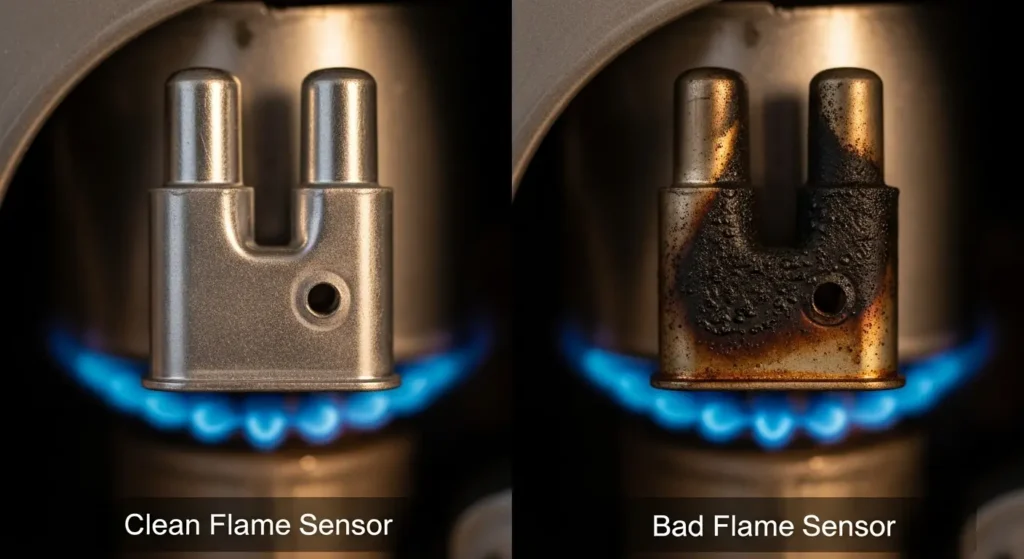


Your furnace turns on, you hear it running, but the vents stay quiet, and the house feels cold. If that sounds familiar, you may be wondering: why is my furnace blower motor not working?
In most cases, a furnace blower motor stops working because of a clogged air filter, a failed capacitor, a worn-out motor, thermostat issues, electrical problems, or a malfunctioning control board.
When it stops running, you may notice symptoms like the furnace not blowing air, weak airflow from vents, or a furnace fan not working even though the system seems to be on.
The good news is that many blower motor problems are common and often fixable. Some issues are simple, like a dirty air filter or a thermostat setting. Others may require a technician to inspect components such as the capacitor, limit switch, or control board.
In this guide, you’ll learn the most common reasons a furnace blower motor stops working.
Along with this, we will talk about how to recognise the warning signs, simple checks homeowners can try, and what repair costs typically look like in Mississauga.
So, let’s get started one by one.
What Does a Furnace Blower Motor Do?
Your furnace creates heat, but that heat still needs to move through the house. The blower motor is the part that makes that happen. When the furnace starts a heating cycle, the blower motor turns on and pushes warm air through the duct system so each room can feel comfortable.
Without this motor, the furnace may still run, but the heat stays inside the unit. Many homeowners first notice this when the furnace sounds normal, but no air comes through the vents. The rooms stay cold even though the system seems to be working.
The blower motor works with several parts inside the furnace. It responds to signals from the thermostat and the control board. When the thermostat calls for heat, the control board tells the blower motor to start moving air through the system.
Below are the main tasks the blower motor performs inside a furnace.
- The blower motor pushes warm air through the air ducts, so heat reaches the rooms
- It circulates heated air throughout the house to keep temperatures steady
- Responds to the thermostat signal that starts the heating cycle
- It works with the control board and other electrical components
- It spins the blower wheel inside the blower assembly to move air through the system
Because the blower motor controls airflow, any problem with this component can affect the whole heating system. When the motor stops working, airflow drops, and the house quickly feels colder.
Regular inspection and cleaning help prevent these problems. Homeowners who follow simple steps explained in the furnace maintenance guide often catch airflow issues early and keep their heating system running reliably during the winter.
By this point, you probably have a better idea of what a blower motor does. The next step is understanding why is my furnace blower motor not working.
How to Tell If Your Furnace Blower Motor Is Not Working
A furnace blower motor rarely stops without giving a few hints first. In most homes, the system begins showing small changes that are easy to overlook at the beginning. Maybe the airflow feels weaker than usual. Maybe the furnace sounds different. Or perhaps the house simply takes longer to warm up.
These early signs usually point to an airflow problem somewhere inside the heating system.
Since the blower motor is responsible for moving air through the ductwork, even a small issue with it can affect how heat circulates throughout the house. When airflow slows down or stops, the furnace may still run, but the heat cannot reach the rooms properly.
Below are some of the most common signs homeowners notice when a furnace blower motor is not working as it should.
Furnace Running but No Air Coming from Vents
This situation confuses many homeowners. The furnace turns on, the burner ignites, and the system sounds like it is operating normally. Yet when you stand near the vents, no warm air comes out.
In most cases, this means the blower motor is not pushing air through the duct system. The furnace may still be producing heat, but without the blower moving air, that heat stays trapped inside the unit instead of circulating through the house.
Weak Airflow Throughout the House
Sometimes the blower motor still runs, but it struggles to move enough air. You may notice that the vents are blowing air, but the airflow feels weak. Rooms may warm up slowly, and certain areas of the house may feel cooler than others.
This often happens when the motor begins to wear out, the blower wheel becomes dirty, or the airflow inside the system becomes restricted.
Over time, this reduced air circulation can make the furnace work harder to maintain the desired temperature.
Furnace Making Humming or Buzzing Noise
Strange sounds from the furnace cabinet can also point to blower motor trouble. A humming or buzzing noise often means the motor is receiving electrical power but cannot start spinning.
In many cases, this happens when the capacitor that helps start the motor begins to fail. The motor tries to run, but it cannot generate enough force to turn the blower wheel. Homeowners often hear this sound shortly before the blower stops working entirely.
If unusual furnace noises appear along with airflow problems, it may help to review the situations explained in noisy furnace repair.
Furnace Starts but Stops Quickly
Another warning sign is a furnace that turns on and shuts off within a short time. The system may begin heating normally, but the cycle ends much sooner than expected.
This can happen when airflow inside the furnace is interrupted. If the blower motor does not circulate air properly, the furnace may begin to overheat.
Safety controls then shut the system down to prevent damage. This repeated starting and stopping is often a clear signal that the airflow system needs attention.
Cold Air or No Heat in Rooms
One of the most noticeable symptoms is uneven comfort throughout the house. Some rooms may feel warm while others remain cold. In other cases, the furnace may run, but the vents deliver little or no heat.
This type of air circulation failure often points back to the blower system. When the motor cannot move air effectively, warm air cannot reach the rooms that need it.
So now you’ve learnt how to tell when the blower doesn’t work. Let’s now understand why is my furnace blower motor not working.
Why Is My Furnace Blower Motor Not Working: 8 Common Causes
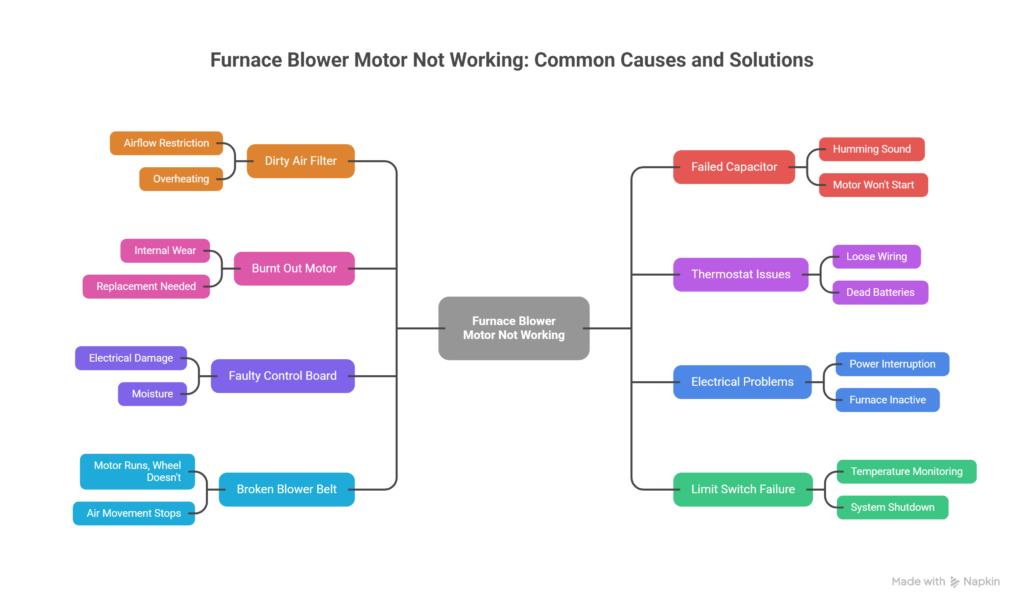
When a furnace blower motor stops working, homeowners usually assume the motor itself has failed.
Well, honestly, that is not always the case. In many situations, the real issue lies somewhere else in the system. A furnace depends on several electrical and mechanical components working together. If even one of them fails, the blower motor may stop running.
Below are the most common causes technicians see when diagnosing a blower motor problem.
Dirty or Clogged Furnace Air Filter
Start with the air filter. This is the first component you should check when airflow stops.
When an air filter becomes packed with dust and debris, airflow through the furnace becomes restricted. The blower motor must work harder to pull air through the system. Over time, this airflow blockage places an extra load on the motor.
If airflow becomes too restricted, the motor can overheat. Many furnaces will trigger a safety shutdown to prevent damage.
Common Fix
Turn off the furnace and remove the air filter. Hold it up to the light. If light cannot pass through easily, the filter is clogged.
Replace the filter with a new one of the same size. Most homes should replace furnace filters every 1 to 3 months during the heating season.
Failed Blower Motor Capacitor
Next, check the blower motor capacitor.
The capacitor provides the electrical boost required to start the blower motor. Without it, the motor may receive power but cannot begin spinning.
A common symptom is a humming furnace where the system sounds like it is running, but the fan does not spin.
Common Fix
If the furnace hums but the blower fan does not start, the capacitor may be defective. Capacitors are inexpensive parts, but they store electrical charge. Replacement should usually be performed by an HVAC technician for safety.
Burnt Out Blower Motor
If the previous checks do not reveal a problem, the blower motor itself may have failed.
Blower motors run during every heating cycle. Over time, internal components wear out due to heat, electrical load, and dust buildup.
Most furnace blower motors last 10 to 20 years, depending on usage and maintenance.
When the motor burns out, the furnace may ignite normally, but no air moves through the duct system.
Common Fix
An HVAC technician will test the motor using electrical diagnostic tools. If the motor has failed, replacing the blower motor is required to restore airflow.
Thermostat Not Sending the Right Signal
Before assuming the blower motor has failed, check the thermostat.
The thermostat sends the command that begins the heating cycle. If the signal never reaches the furnace control board, the blower motor will never start.
Loose wiring, incorrect thermostat settings, or dead batteries can interrupt this communication.
Common Fix
Check that the thermostat is set to Heat and the temperature setting is above the current room temperature.
Replace the batteries if the thermostat uses them. Inspect visible wiring if accessible.
Faulty Furnace Control Board
The control board manages the furnace operation sequence. It receives signals from the thermostat and activates the ignition system, blower motor, and safety components.
If the control board fails, the blower motor may never receive the instruction to start.
Electrical damage, moisture exposure, or worn circuit components can cause this failure.
Common Fix
A technician will inspect the control board for burnt components or failed relays. If the board is defective, replacing it restores communication between the thermostat and the blower motor.
Tripped Circuit Breaker or Electrical Problem
Sometimes the issue is much simpler.
A tripped circuit breaker or blown fuse can interrupt the electrical supply to the furnace. Without power, the blower motor cannot operate.
Electrical interruptions can happen after power surges or system overload.
Common Fix
Check the home breaker panel and locate the furnace breaker. If it has tripped, reset it once.
If the breaker trips again, the furnace may have an electrical problem that requires professional repair.
Broken Blower Belt in Older Furnaces
Older furnace systems sometimes use belt-driven blower motors.
In these systems, a belt connects the motor to the blower wheel. If the belt becomes loose, worn, or broken, the motor may run, but the blower wheel will not spin.
Without the blower wheel turning, air cannot move through the duct system.
Common Fix
Inspect the blower compartment for a loose or snapped belt. Replacing the belt typically restores airflow. This repair is quick for an HVAC technician.
Limit Switch or Safety Sensor Failure
Furnaces include safety controls designed to prevent overheating. One of these components is the limit switch.
The limit switch monitors furnace temperature. If airflow stops and the furnace begins overheating, the switch shuts the system down.
If the switch becomes faulty, it may prevent the blower motor from running even when the airflow is normal.
Common Fix
A technician will test the limit switch using electrical diagnostic tools. If the switch fails testing, replacing it allows the furnace to operate normally again.
Blower motor problems can come from several different sources, which is why a careful inspection is often the best first step. Sometimes the cause is simple, like a clogged filter or a loose electrical connection. Other times, the issue may involve deeper components inside the furnace.
Heating systems also tend to show warning signs during colder months when they run more frequently. In those cases, understanding how furnaces behave in winter conditions can help homeowners recognise problems early.
Many of these seasonal issues are explained in the winter furnace troubleshooting tips that cover common heating system problems and practical solutions.
However, once you understand why is my furnace blower motor not working, the next question is what you should check before calling a technician.
A Few Quick Things to Check Before Calling for Furnace Repair
Before calling for service, there are a few safe checks that can help identify what is going wrong. These quick inspections often reveal common airflow problems, electrical interruptions, or thermostat issues that stop the blower motor from running.
Taking a few minutes to look at these areas may save time and help you understand what your furnace is doing.
Below are some simple things homeowners can check safely before scheduling furnace repair.
Replace the Furnace Air Filter
A dirty air filter is one of the most common reasons for airflow problems inside a heating system. When dust and debris clog the filter, air cannot move through the furnace properly.
This airflow blockage forces the blower motor to work harder to pull air through the system. Over time, the motor may overheat, slow down, or stop completely. In many furnaces, a clogged filter also triggers a safety shutdown to protect internal components.
Replacing the filter restores normal airflow and reduces strain on the blower assembly. It is one of the simplest forms of HVAC maintenance homeowners can perform.
Reset the Furnace System
Sometimes the furnace simply needs a reset. Power interruptions, safety switch triggers, or control board errors can cause the blower motor to stop temporarily.
Turn the furnace power switch off and wait about thirty seconds before turning it back on. This allows the system control board to restart and clear temporary faults.
Many homeowners notice the blower motor begins working normally again after a reset. If the system shuts down again soon after restarting, a deeper issue may be present.
Check the Circuit Breaker
Electrical interruptions are another common cause of blower motor failure. If the circuit breaker connected to the furnace trips, the blower motor cannot receive power from the furnace power supply.
Locate the breaker panel and check if the furnace breaker has moved to the off position. Resetting it may restore power to the system.
However, if the breaker continues to trip repeatedly, this can indicate an electrical problem inside the furnace that requires professional attention.
Listen for Unusual Motor Noises
Sometimes the furnace provides clues through sound before a blower motor completely fails. Humming, buzzing, grinding, or rattling noises from the furnace cabinet often point to motor trouble.
A humming sound may indicate a failing capacitor that cannot start the blower motor. Grinding noises may come from worn bearings or a damaged blower wheel.
If these checks do not restore airflow or the blower motor still refuses to run, it is best to contact a qualified HVAC technician.
Is It Safe to Run a Furnace If the Blower Motor Is Not Working?
Running a furnace without a functioning blower motor is not safe. The blower motor is responsible for moving heated air away from the heat exchanger and distributing it through the duct system. Without airflow, heat begins to build up inside the furnace.
Some homeowners report airflow symptoms similar to a Lennox furnace not blowing hot air situation, where the furnace runs, but heated air never reaches the rooms.
When this happens, the furnace can overheat very quickly. Most modern heating systems include safety controls designed to shut the system down when temperatures rise too high. This automatic shutdown protects the furnace from severe damage.
If the blower motor fails and the furnace continues attempting to run, several risks may develop.
One concern is overheating of the heat exchanger. Excess heat trapped inside the furnace can cause metal components to expand and weaken over time. In difficult situations, heat exchanger damage can occur.
Another issue involves repeated safety shutdown cycles. These shutdowns are designed to protect the system, but frequent overheating can place stress on internal components.
Electrical parts may also suffer when airflow stops. Without proper cooling airflow inside the furnace cabinet, wiring and control components can overheat as well.
In rare cases, excessive overheating inside the furnace can increase fire risk, especially if airflow remains blocked for long periods.
For these reasons, if the furnace blower motor is not working, it is best to turn the heating system off until the problem is diagnosed. Shutting the system down prevents further damage and protects the furnace from overheating.
How Much Does Furnace Blower Motor Repair Cost in Mississauga?
When homeowners discover their furnace blower motor is not working, one of the first questions is cost. The truth is that blower motor repairs can vary quite a bit depending on the exact issue inside the furnace.
In many homes across Mississauga, technicians find that the blower motor itself is not always the problem.
Often, the issue involves a capacitor, relay, or electrical connection that prevents the motor from starting. When our technicians diagnose blower problems during furnace repair services, the first step is always identifying the exact component that has failed.
Based on common HVAC service estimates across Ontario and real diagnostic cases, the following table shows the typical cost ranges homeowners may encounter.
Estimated Furnace Blower Motor Repair Costs in Mississauga
| Repair Type | Typical Cost Range | What the Technician Fixes |
| Capacitor replacement | $200 – $400 | Replace the capacitor that helps start the blower motor |
| Minor wiring repair | $250 – $450 | Fixing loose electrical connections or relays |
| Blower motor repair | $300 – $600 | Repairing motor components or electrical faults |
| Standard blower motor replacement | $600 – $900 | Installing a new PSC blower motor |
| Variable-speed motor replacement | $900 – $1200+ | Replacing ECM motors in high-efficiency furnaces |
These price ranges reflect typical estimates shown in search results and contractor quotes throughout the Greater Toronto Area.
What Affects the Cost of Furnace Blower Motor Repair?
Several factors influence how much a blower motor repair will cost.
Furnace model
High-efficiency furnaces often use advanced ECM blower motors that cost more to replace than standard motors.
Motor type
Variable-speed motors provide better airflow control and energy efficiency, but they also come with higher replacement costs.
Labor complexity
Some furnaces allow easy access to the blower assembly, while others require partial disassembly of the unit.
Part availability
Certain furnace brands require manufacturer-specific replacement parts, which can affect both price and repair time.
When technicians diagnose blower motor issues during cost of furnace repair assessments, these factors are usually what determine whether the repair is minor or more involved.
When Should You Call an HVAC Technician?
Sometimes a furnace problem can be traced to a simple issue like a thermostat setting or a clogged filter. But there are situations where professional diagnosis is the safest option.
Blower Motor Completely Dead
If the furnace runs but no airflow reaches the vents and the blower motor does not spin at all, the motor or capacitor may have failed. Electrical testing is usually required to confirm the exact cause.
This type of problem typically requires local furnace repair services to safely diagnose the blower assembly and restore airflow.
Electrical Burning Smell
A burning smell coming from the furnace cabinet should never be ignored. This can indicate overheating wiring, a failing blower motor, or electrical damage inside the furnace.
Running the system in this condition can damage other furnace components.
Repeated Furnace Shutdown
If the furnace repeatedly turns on and shuts off within a short time, the system may be entering a safety shutdown cycle. This often happens when airflow is restricted or internal components begin overheating.
A technician performing a full HVAC inspection can identify whether the issue involves the blower motor, limit switch, or airflow system.
Furnace Older Than 15 Years
Most furnace blower motors last between 10 and 20 years. If the system is approaching this age and major components begin failing, a technician can evaluate whether repair or replacement makes more sense.
Many homeowners begin considering upgrades after reviewing the situations explained in Upgrade Your HVAC System, especially when older furnaces become less reliable during winter.
4 Ways to Prevent Furnace Blower Motor Problems
Most blower motor failures do not happen overnight. In many cases, the problem builds slowly because of airflow restrictions, dust buildup, or neglected maintenance.
The good news is that a few simple habits can protect the blower motor and help your furnace run more reliably throughout the winter.
Well, honestly, most furnace repair technicians could have been prevented with basic maintenance. A blower motor works hard during the heating season.
It moves air through the duct system every time your furnace runs. Keeping the system clean and properly maintained reduces stress on the motor and helps prevent airflow problems before they start.
Replace Air Filters Regularly
The air filter is the first thing that protects the blower motor. When the filter becomes clogged with dust and debris, airflow inside the furnace becomes restricted. The blower motor must work harder to pull air through the system.
Over time, this added strain can cause overheating or premature motor wear. Replacing the air filter every one to three months helps maintain proper airflow and protects the blower assembly from unnecessary stress.
Schedule Annual Furnace Maintenance
Regular professional inspections are one of the best ways to prevent blower motor problems. During a maintenance visit, technicians inspect the blower wheel, motor bearings, electrical connections, and airflow components to make sure everything is operating correctly.
At HVAC Group, our technicians often identify early signs of motor wear during routine HVAC maintenance inspection, allowing homeowners to address small issues before they turn into expensive repairs.
Keep Air Vents Clean and Open
Blocked vents are another common cause of airflow issues. Furniture, rugs, or dust buildup can restrict air movement inside the duct system. When airflow becomes restricted, the blower motor must work harder to circulate heated air through the house.
Keeping vents clear allows warm air to move freely and reduces strain on the motor.
Monitor Furnace Performance
Pay attention to how your furnace behaves during the heating season. If airflow becomes weaker, rooms heat unevenly, or unusual noises appear from the furnace cabinet, these may be early warning signs of a blower motor problem.
Homeowners who pay attention to these changes often catch issues early, which helps avoid larger repairs later.
When heating systems are inspected regularly, blower motors last longer, and furnaces operate more efficiently throughout the winter months.
Need Furnace Repair in Mississauga?
So now you know why is my furnace blower motor not working, what warning signs to watch for, and which components inside your furnace may be responsible.
At HVAC Group, our local technicians provide fast and reliable furnace repair services across Mississauga and the Greater Toronto Area.
With years of hands-on experience, our team quickly identifies the cause of blower motor problems and restores proper airflow so your home stays comfortable.
Homeowners choose HVAC Group because we focus on clear communication, honest recommendations, and efficient service.
Whether the issue involves a capacitor, blower assembly, control board, or airflow restriction, our technicians diagnose the problem and explain the best repair options.
If your furnace is struggling to circulate heat, scheduling a professional HVAC maintenance service can restore heating performance and prevent further damage to the system.
Our team proudly serves homeowners across the GTA.